

Cook the World: Ukraine
Our first stop on a year of cooking around the world!

Welcome to Cook the World!
Hello friends and welcome to the very first edition of Cook the World!
This is my new monthly series where we’ll set off on a culinary expedition across the globe - exploring a different country each month through its recipes, ingredients, history and the people who cook it best.
A quick heads up - this is quite a long post! If you’re reading this as an email, some of the post may be cut off. If so, click on ‘View entire message’ and you’ll be able to view the entire post in your email app.
The Itinerary
Food is hands down one of the very best ways to explore a new place. When I’m travelling, most of my days are centered around what food we’re going to try - as well as where and when we’re going to eat next!
A single dish can tell you about a country’s history, its landscape, its weather and its people. About what grows where, what’s been traded across borders and what’s passed down through generations.
Each month we’ll touch down somewhere new and spend a few weeks getting to know the place through its food. Here is what I’m thinking:
We will look at the country’s food culture, history and pantry staples
Cook through a handful of recipes and explore the history and stories behind them
Where possible, have conversations with people who know these flavours best
And, of course, I’ll be taking plenty of photographs from the kitchen!
Passport to New Foods
Something I’ve always loved about travelling is getting your passport stamped at the airport. As a child growing up in the 90’s, I used to love collecting stickers and cards and whatnot - and this love stayed with me into adulthood. I think it’s hard wired into those of us of that era? There’s something so exciting about filling up a passport with memories of the places you’ve visited.
So, I wanted to try and recreate a little bit of that excitement here. I’ve sketched out our very own Cook the World passport - which will be ‘stamped’ after each destination we visit. I know, I know… a little cheesy, but I’m a big kid. So you’ll have to humour me with this one!
Launch Crossover
For our launch month I wanted to do something a bit special - so we’re kicking off Cook the World with a crossover edition with Cook the Books!
This month’s Cook the Books pick was Felicity Spector’s Bread & War, an extraordinary book from an extraordinary human - about the bakers, cooks and volunteers feeding Ukraine through the ongoing war. I was floored by the stories I read and it was then that I knew our first stop on Cook the World had to be Ukraine.
Start here » You’ll find the first 4 recipes of our journey through Ukraine I made in that post, which has all come from Felicity’s book:
Palyanytsya, a centuries-old enriched sourdough loaf with a signature crescent smile. Vital to the work Bake for Ukraine are doing.
Syrniki, delicious little curd cheese pancakes (Felicity’s favourite!)
A plum and poppyseed cake that was almost too good to put into words, and
Gombovtsi, moreish curd cheese dumplings stuffed with cherries
If you haven’t read it yet, you can find the post below »
Cook the Books: Bread & War

It’s a strange thing, to finish a cookbook in tears.
Bread & War is the extraordinary book from Felicity Spector that follows the bakers, the cooks and the volunteers feeding Ukraine through the ongoing war.
For this post, we’re heading deeper still. 4 more recipes from across the country, a full introduction to one of the most fascinating food cultures in Europe and a celebration of a country that deserves so much more recognition than in a headline about war.
Right then. Seatbelts on? Ready for takeoff! Ukraine… here we come!

Welcome to Ukraine
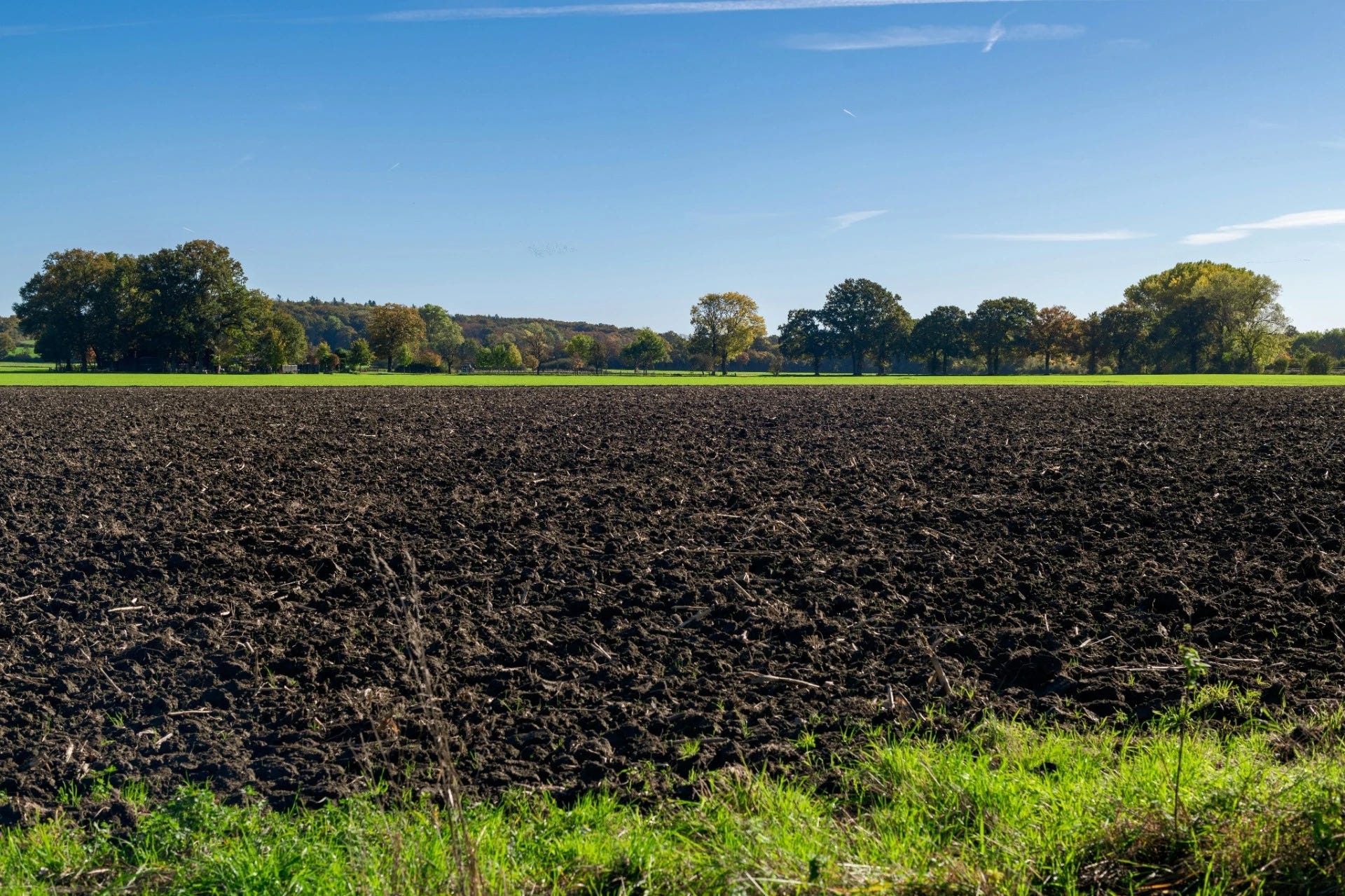
Ukraine is the largest country entirely within Europe and has long been known as the breadbasket of Europe. Its vast steppes of black earth soil, which is chernozem in Ukrainian, is some of the most fertile farmland on the planet!
The more I’ve dug into Ukrainian cooking this month, the more I’ve realised just how vast and varied it really is. Let’s take a little whistlestop tour around:
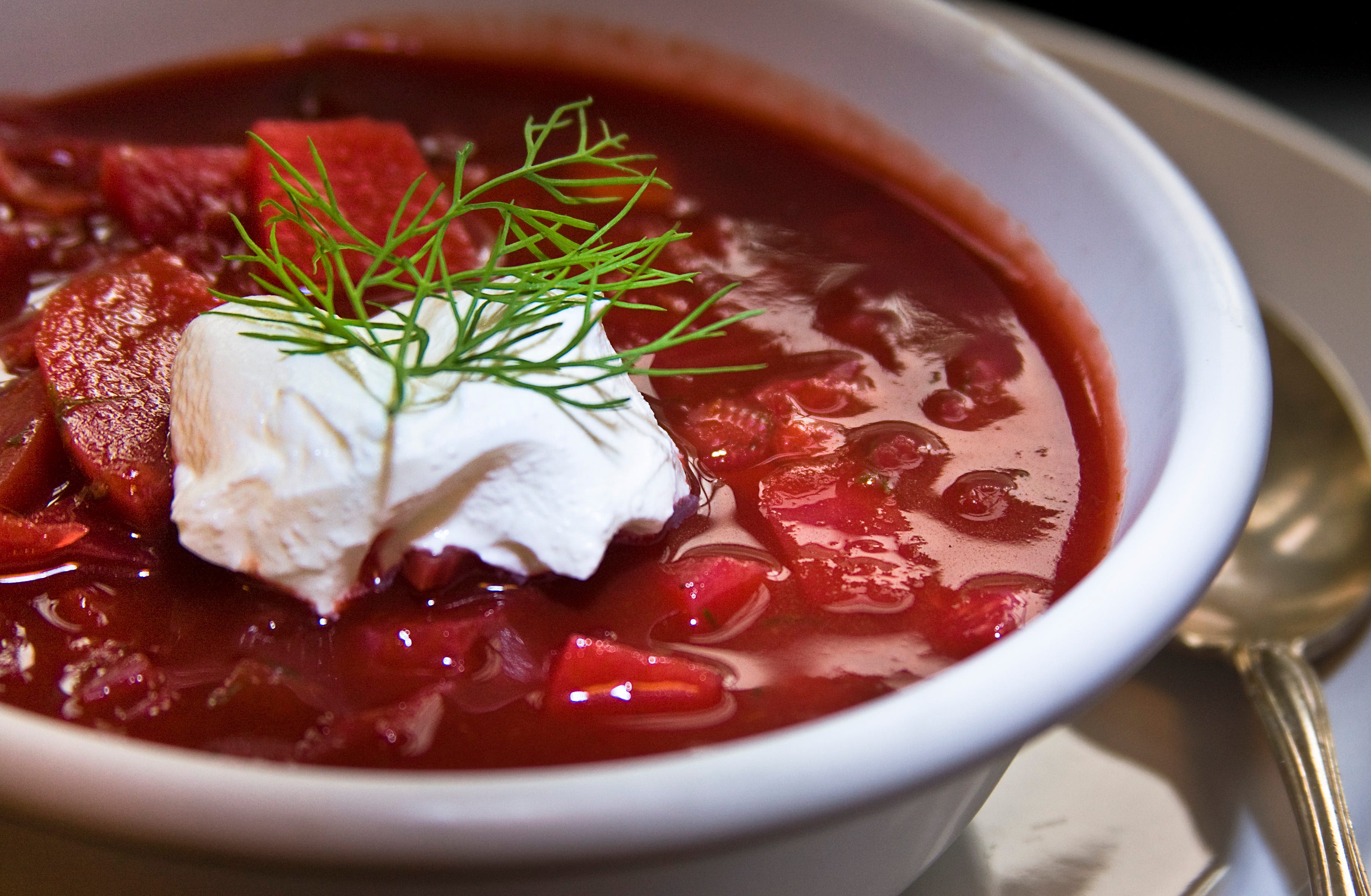
Let’s start in the west, up in to the Carpathians and you’ll find yourself in places such as Lviv and Zakarpattia - enjoying dishes such as varenyky (sweet or savoury dumplings), sheep’s cheese and stuffed cabbages. Roam into the central heartlands around Kyiv and Poltava and you’ll find the classics such as borsch (a savoury soup), and salo (salt cured pork).
Next we’ll head down south to the Black Sea coast and to the city of Odesa - where you’ll find some of the tastiest fish dishes. Being a seaport, the food is a glorious mashup of Ukrainian, Jewish, Greek and Bulgarian flavours, to name a few! The streets are lined with vibrant markets, an abundance of veggies and fresh-off-the-boat fish.
And finally, if you venture up to the lush forests in the north of the country, the menu turns to mushrooms, berries, rye and game!
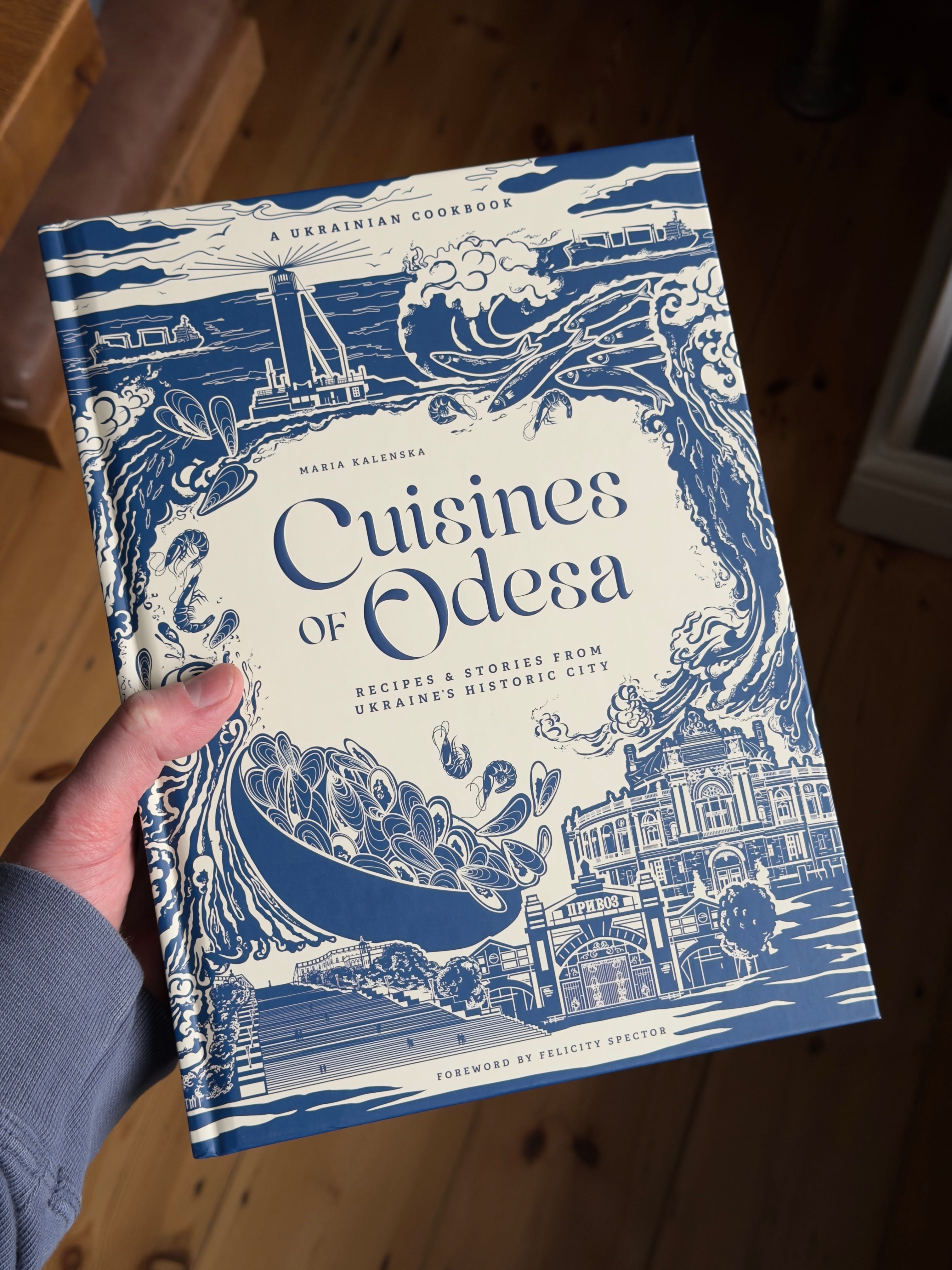
This book by Maria Kalenska illustrates what a truly fascinating place Odesa is. Definitely one to add to your cookbook shelf!
The Pantry
A few real cornerstones kept cropping up as I cooked and read my way through Ukrainian recipes this month:
Bread, which I’ve discovered is way more than just food. It’s hospitality, ceremony, identity and now in light of the war… Hope. Each region has its own loaves, its own techniques and its own stories.
Curd cheese (tvorog or syr) seems to be an absolute staple in kitchens, that turns up in pancakes, cakes, dumplings, pastries and breakfasts. Pretty much anything and everything!
Sunflower oil
Dill - and lots and lots of it! I adore dill and was thrilled to see that a lot of dishes are accompanied with dollops of sour cream and handfuls of this sprinkled overtop.
Pickles and preserves, jars and jars of them. Cucumbers, tomatoes, sauerkraut, plums, cherries... Ukrainians are a dab hand at building their pantry ready for the long winter!
Beets are the unsung hero. Found famously in borsch of course, but also salads, relishes and even in desserts.
Honey, used everywhere from cakes and glazes to home remedies.
Buckwheat (hrechka), a daily staple grain that’s super rich in fibre, nutty in flavour and deeply nourishing.
Markets, kitchens and tables
Let’s start with the markets, because blimey, they sound like an absolute spectacle! When I spoke with Felicity Spector in our Substack live, she described Ukrainian markets as next level. Long tables groaning under the weight of fresh produce. Buckets of curd cheese being scooped out by the spoonful - and side note, curd cheese seems to feature in a lot of Ukrainian recipes!
Pickles by the jar, more varieties of mushroom than I knew existed, sunflower oil pressed in front of you, honey straight from the comb… I think you get the picture. Honestly, what I’d give for a Saturday morning wandering round one. Perhaps one day!
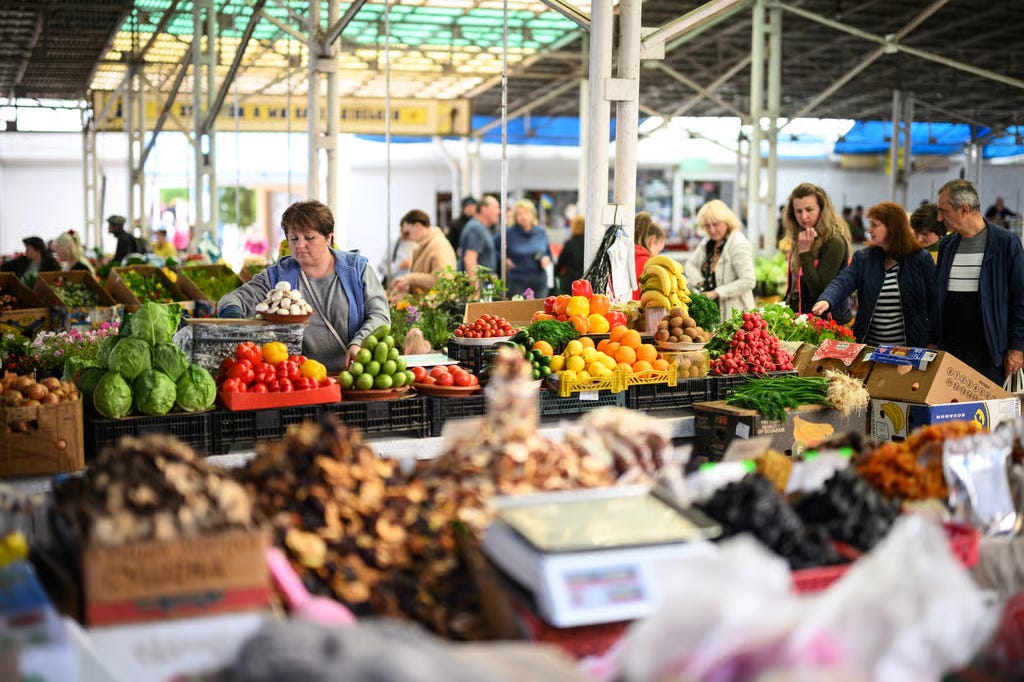
Then it’s home and into the kitchen, where Ukrainian home cooking seems to be all about 3 things… what’s in the pantry, what came back from the market that morning and what’s in season.
On a regular weeknight, you could expect a steaming bowl of borsch with a generous swirl of sour cream, a hunk of bread to mop the bowl clean, boiled potatoes finished with butter and dill, a few pickles fished from the jar and maybe a slice of salo or some sausage on the side. Simple, hearty and frankly all bloody delicious!
Right, I think that’s enough scene setting for now. Let’s get into the kitchen…

Dish 1: Paska
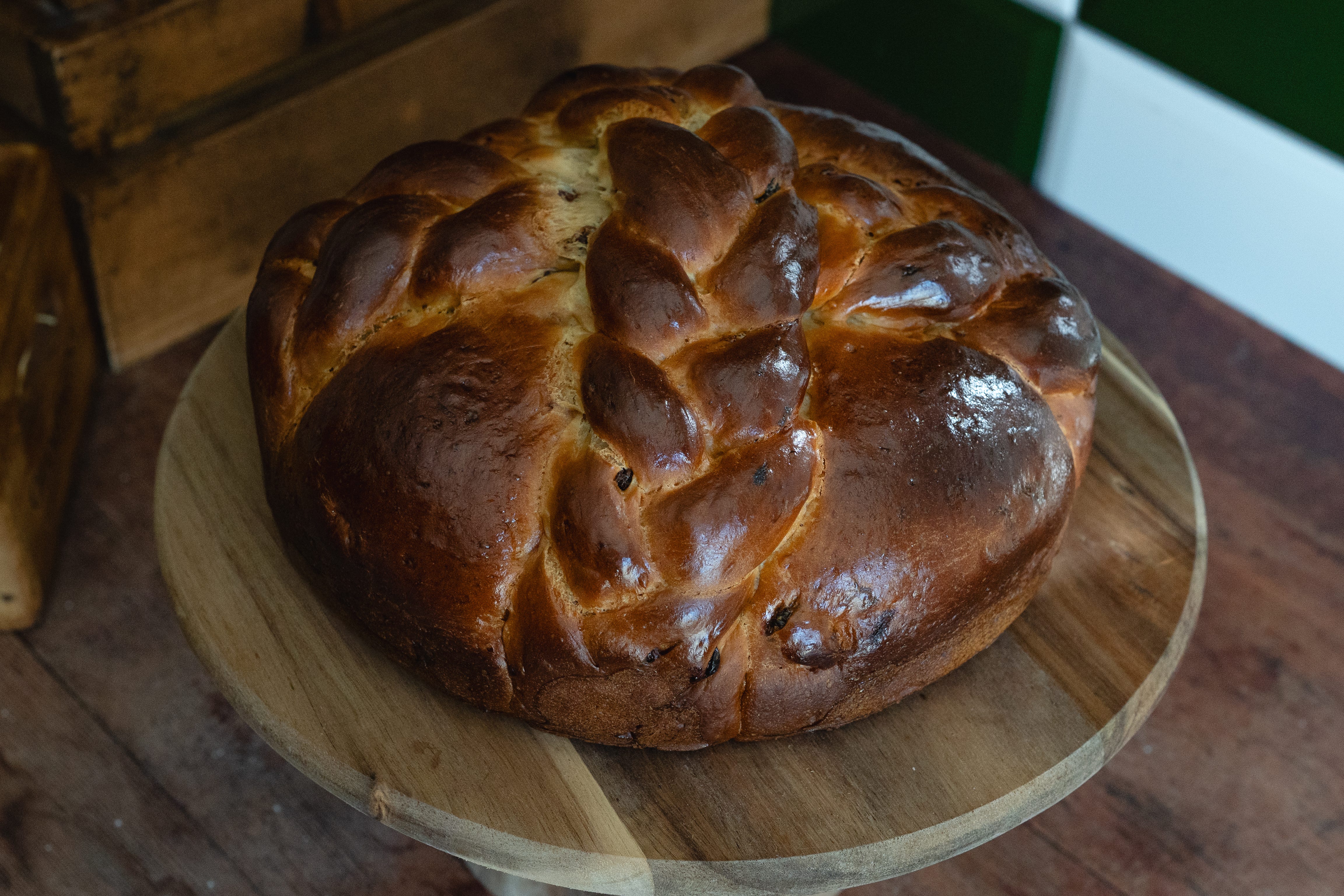
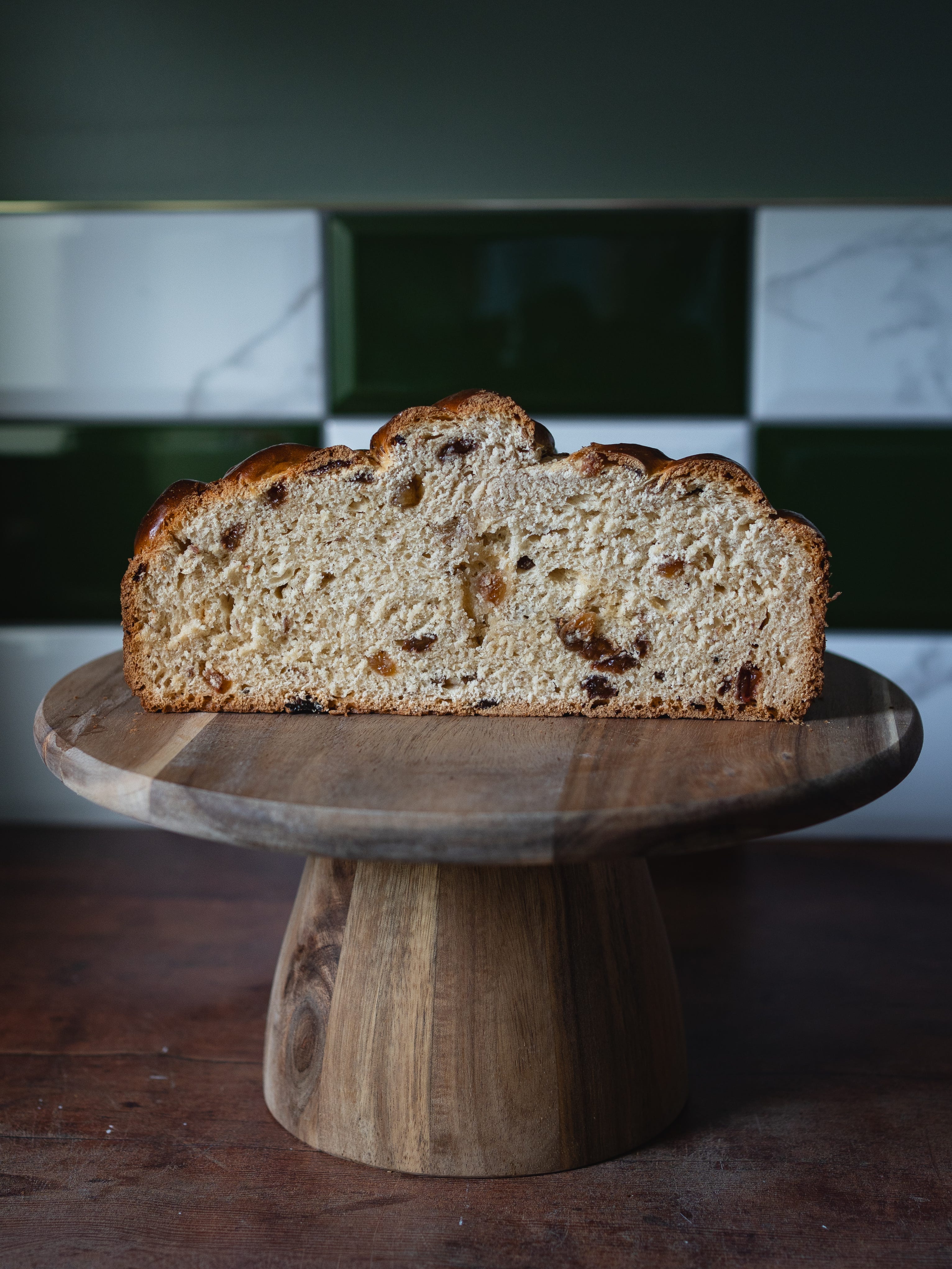
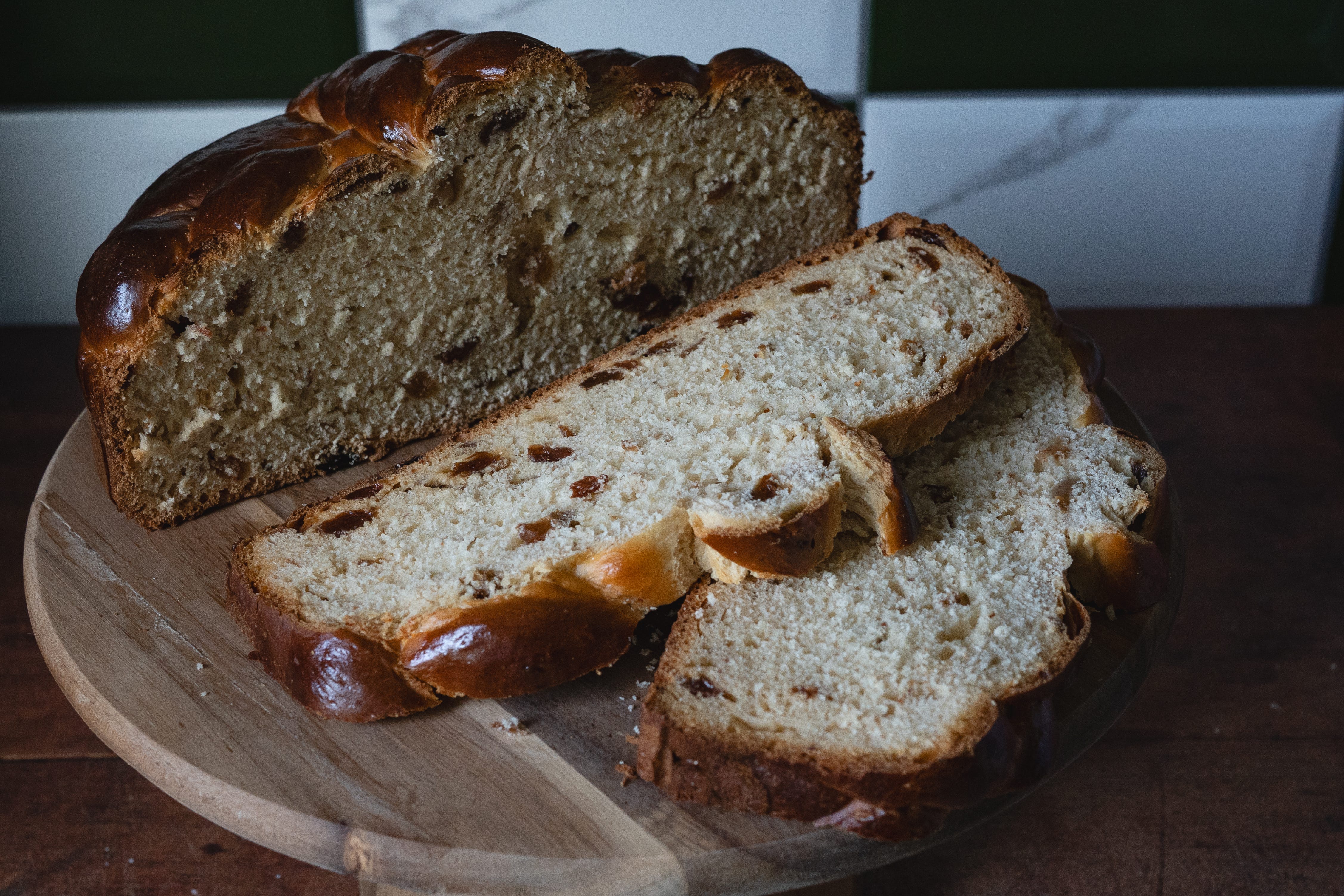
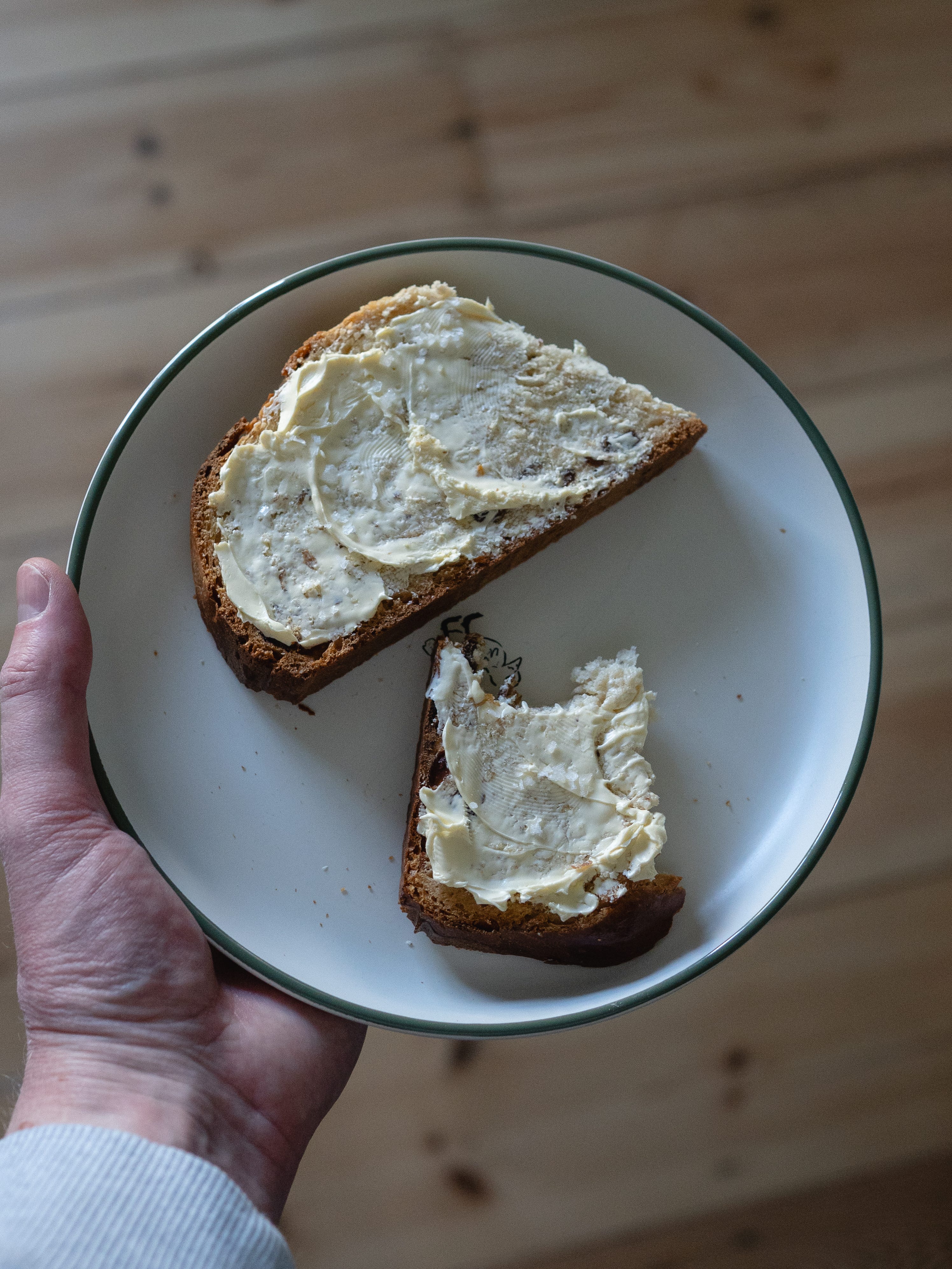
Paska is the Ukrainian Easter bread - and given we rolled into Easter just as I started cooking for this post, I think I timed it pretty damn well! It’s an enriched, gently sweet bread with a beautifully golden, glossy crust and an open, fluffy crumb. A bit like a brioche and a panettone - it also reminds me of a giant hot cross bun. (And I mean that as the highest compliment!)
You’ll find Paska baked a few different ways depending on the family and the region. Some are tall and cylindrical, extravagantly decorated with icing and sprinkles. Some are kept nice and simple. Some lean more citrusy or spiced, others go heavy on the dried fruit.
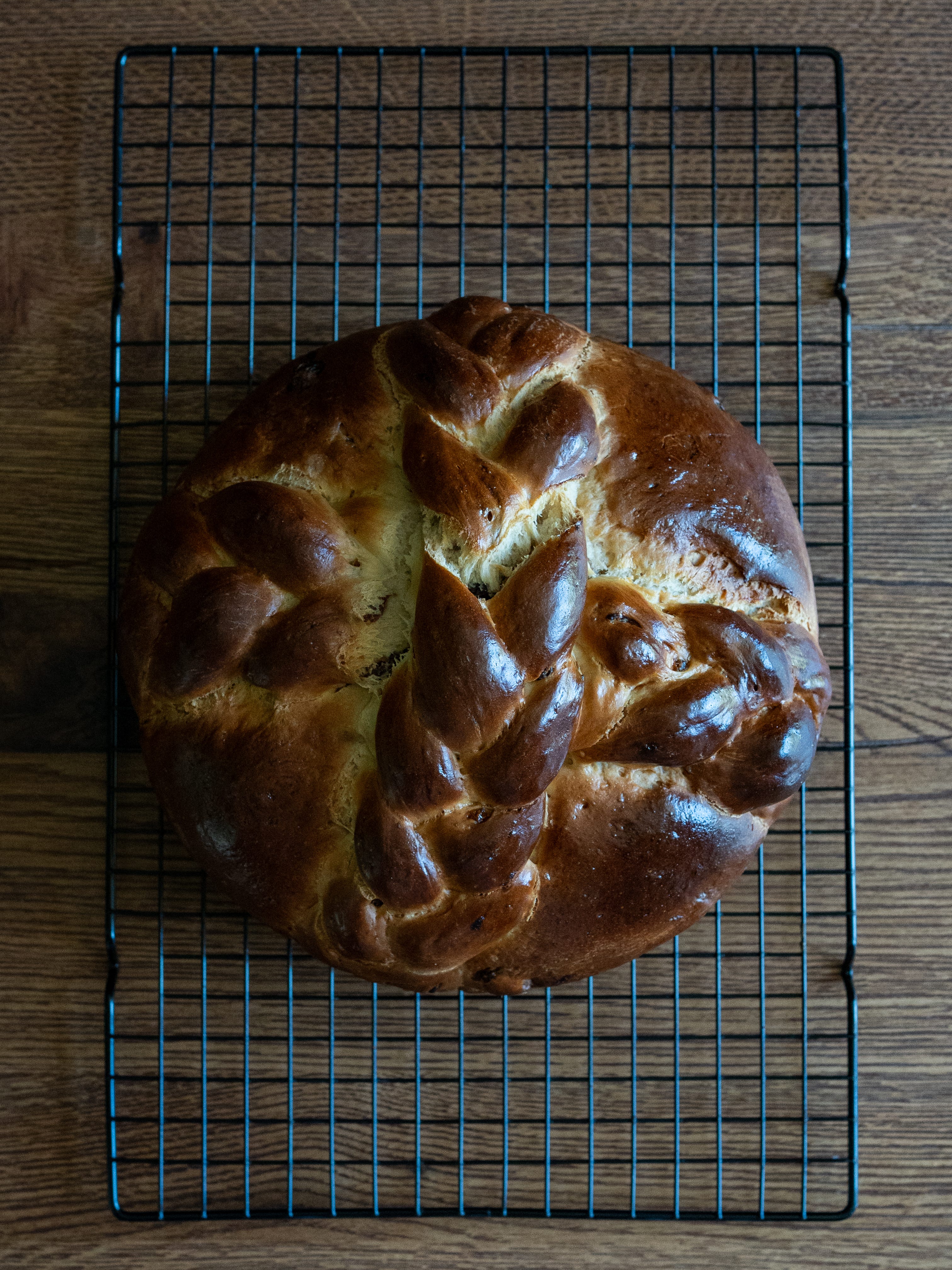
For mine I took the more traditional, rustic route (I find if you describe something as rustic, then a lot is usually forgiven!). It’s a wide, round, domed loaf with two braids crossing over the top, an egg wash for that gorgeous golden crust and finished with a generous bounty of raisins running all the way through.
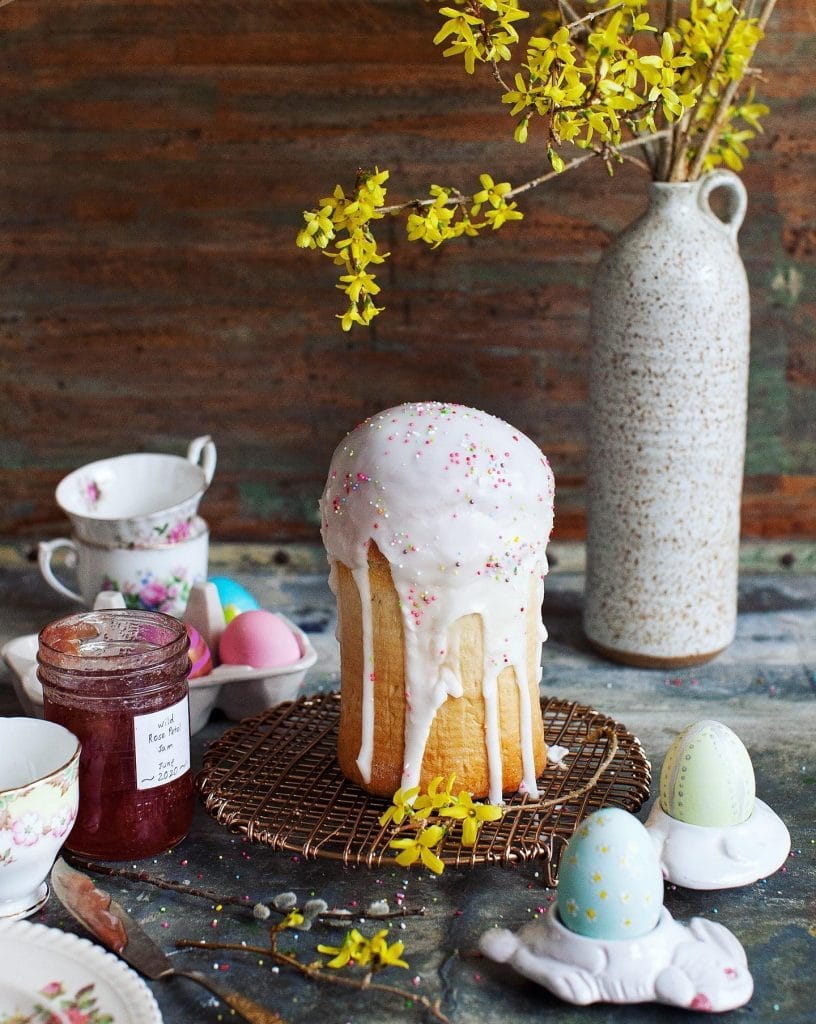
Paska is one of the most symbolic dishes in Ukrainian cooking. Its name comes from the Hebrew Pesach and it sits right at the centre of the Ukrainian Easter table. Typically, families bake several loaves in the days before Orthodox Easter Sunday, then carry them in beautifully decorated baskets, alongside coloured eggs (called pysanky), butter, cheese and sausages to be blessed by the priest at the Easter morning service.
This year, families will have been celebrating Easter in the midst of war for the fifth consecutive year. Since the war began, Bake for Ukraine have run a charity paska tradition. This year, alongside their incredible partner bakers at DOF Centre in Mykolaiv, they delivered 300 free paskas to villages near the frontline.
“Paska for Ukrainians is a symbol of goodness, care, love, and family warmth.”
Yuliya, WCK Ukraine Response Director
World Central Kitchen’s Chefs for Ukraine team have been doing the same for five Easters running too, baking paska themselves at community kitchens and delivering it to frontline communities alongside meal kits, fresh vegetables and pysanky-dyeing kits for the kids!
This is just a couple of charities, but there are countless others in communities right across Ukraine that are doing their bit to bring warmth, hope and a feeling of home where it’s needed most.
If you would like to have a go trying to make Paska yourself, WCK have kindly shared a recipe so that you can enjoy a taste of Ukraine at home

Dish 2: Syrnyk
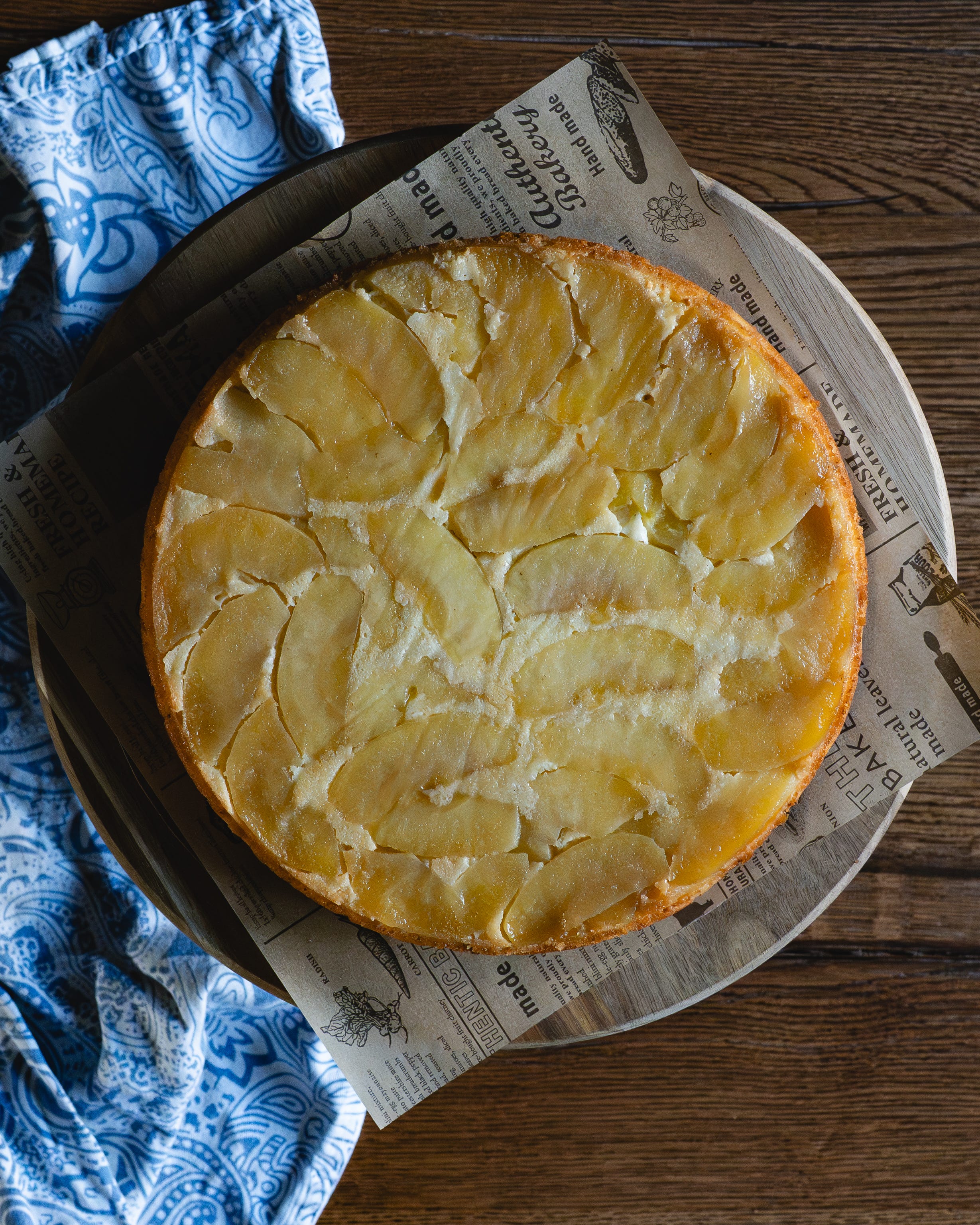
For dish number 2, we’re making Syrnyk (not to be confused with syrniki, the curd cheese pancakes we made from Bread & War!).
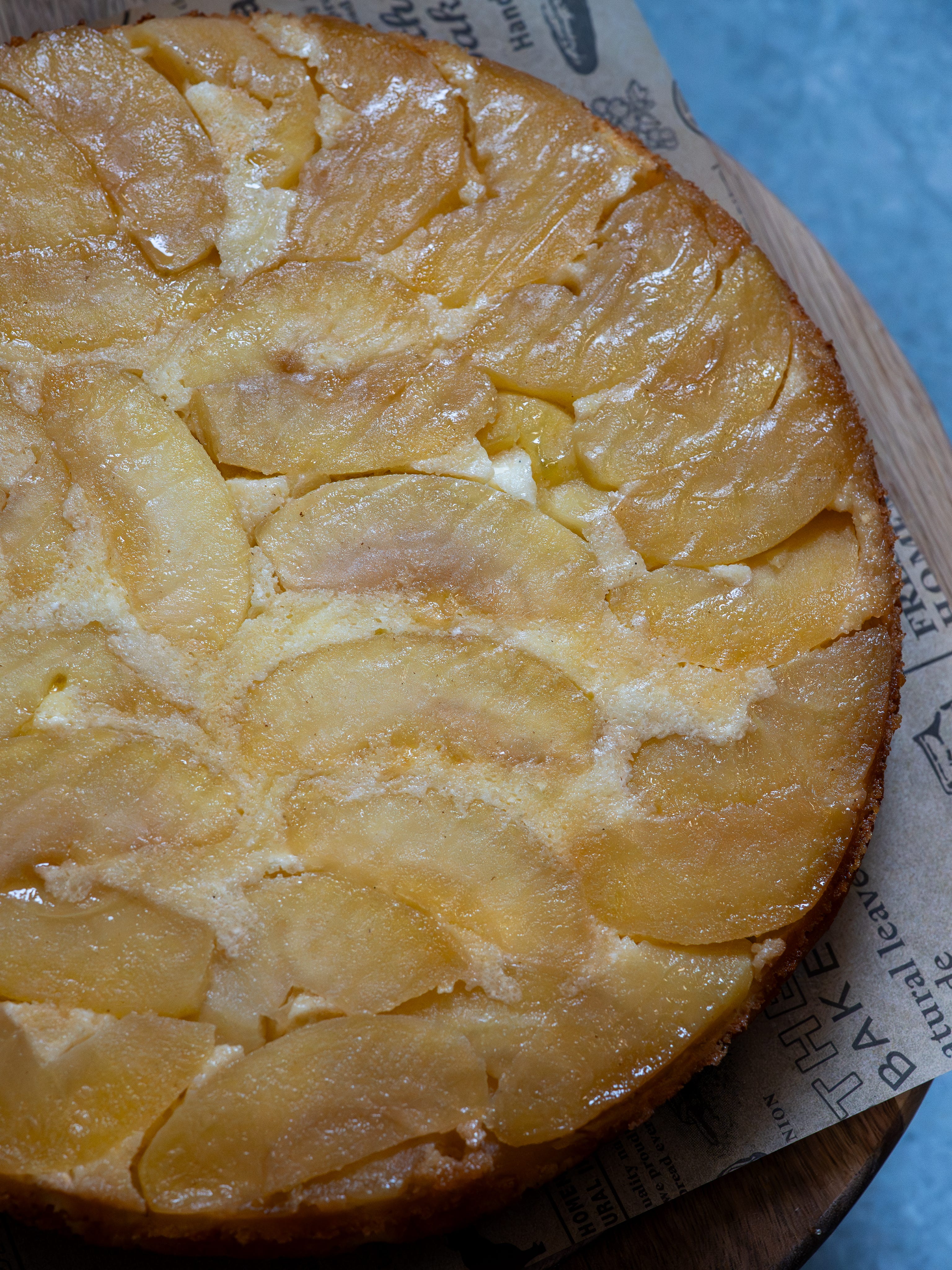
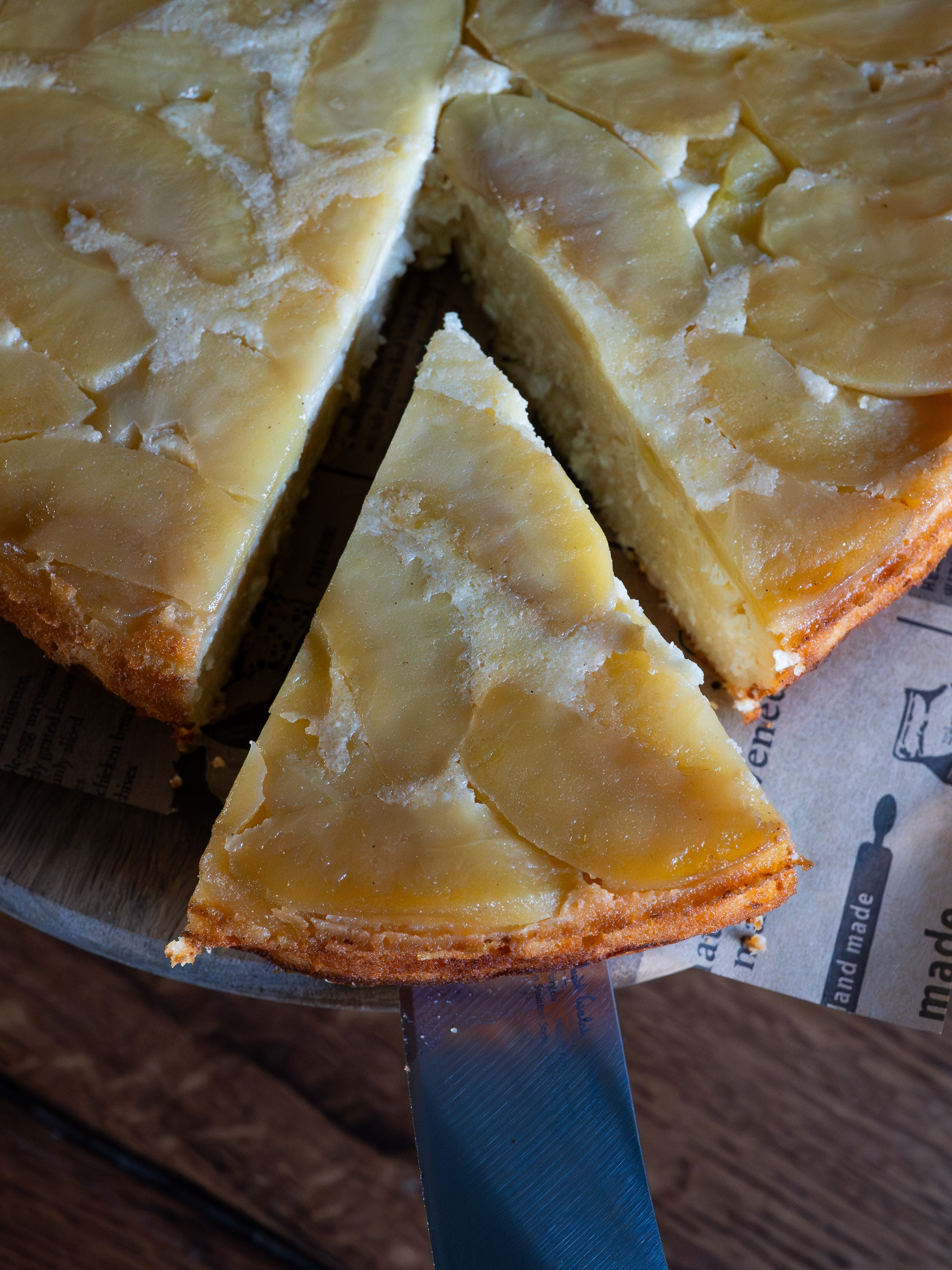
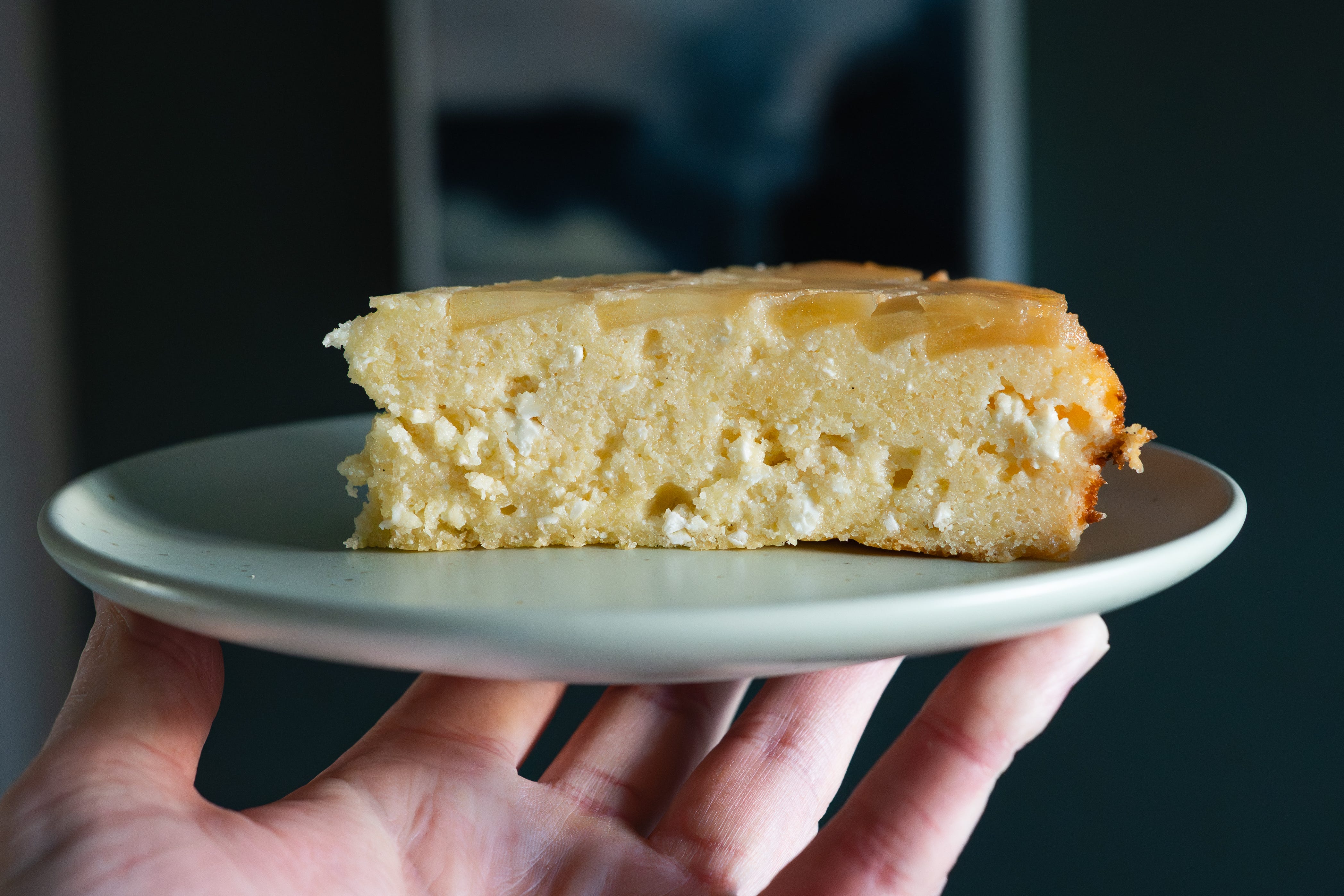
This is a traditional Ukrainian curd cake (basically, almost a cheesecake!) that is typically made with syr (curd cheese) or cottage cheese and a little semolina, then topped (or in this case, bottomed) with golden, caramelised apples.
The cottage cheese gives it those lovely, slightly textured pops of curd running through the middle. Bloody delicious!
The recipe I made came from the brilliant Olia Hercules and her cookbook Summer Kitchens.
Syrnyk’s roots go back centuries. Long before it became a structured dessert, the base ingredient syr was a staple of the ancient Slavic diet. interestingly, curd based dishes were once tied to pagan sun worshipping rituals! Round, golden fried or baked cheese foods were cooked in honour of Yarila, the Slavic god of the sun and fertility, to ensure a good harvest for the year to come. Over the centuries, this ritual food slowly evolved into the dish it is today.
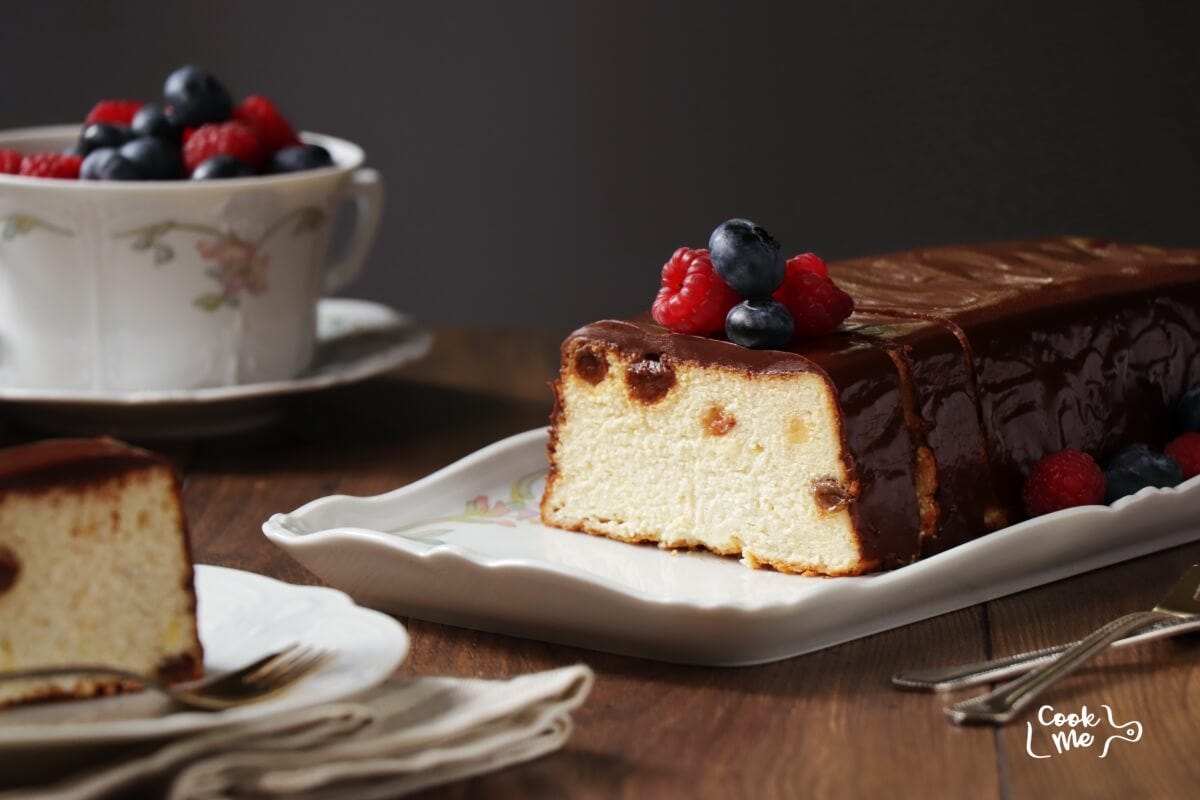
The version most recognised today is the Lviv syrnyk - created in the cafés of Lviv with farmer’s cheese baked into a delicate crust and often studded with raisins or candied fruit. Not surprisingly, it quickly won over the hearts (and stomachs!) of the locals and quick became one of the city’s signature treats.
Thanks to travellers and tourists, it’s become somewhat of a rather delicious ambassador for the city’s food heritage well beyond Ukraine’s borders!

Dish 3: Bitochki
Right, I think it’s time for something savoury - and this has got to be one of the most deliciously simple dishes I’ve cooked in ages.
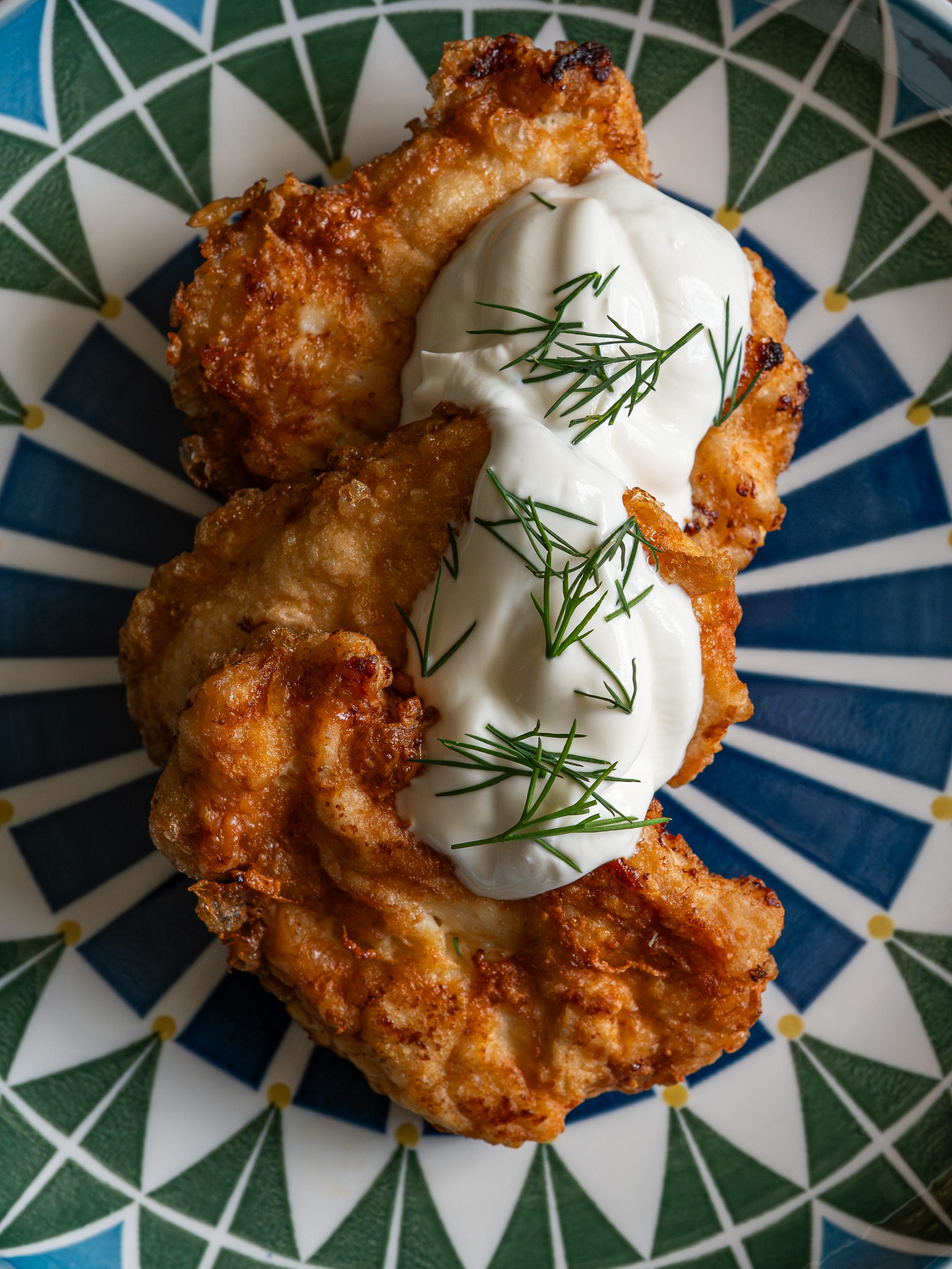
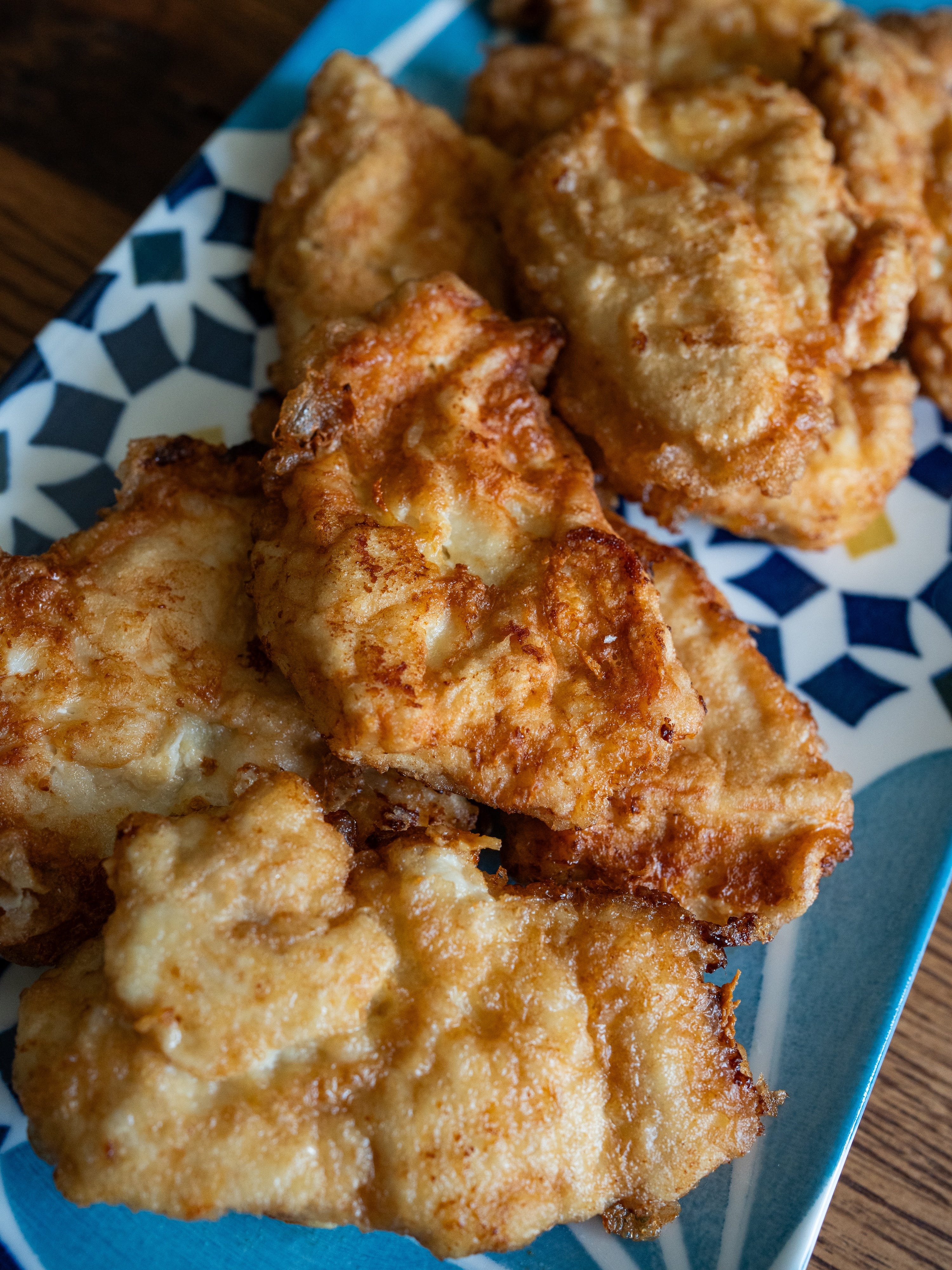
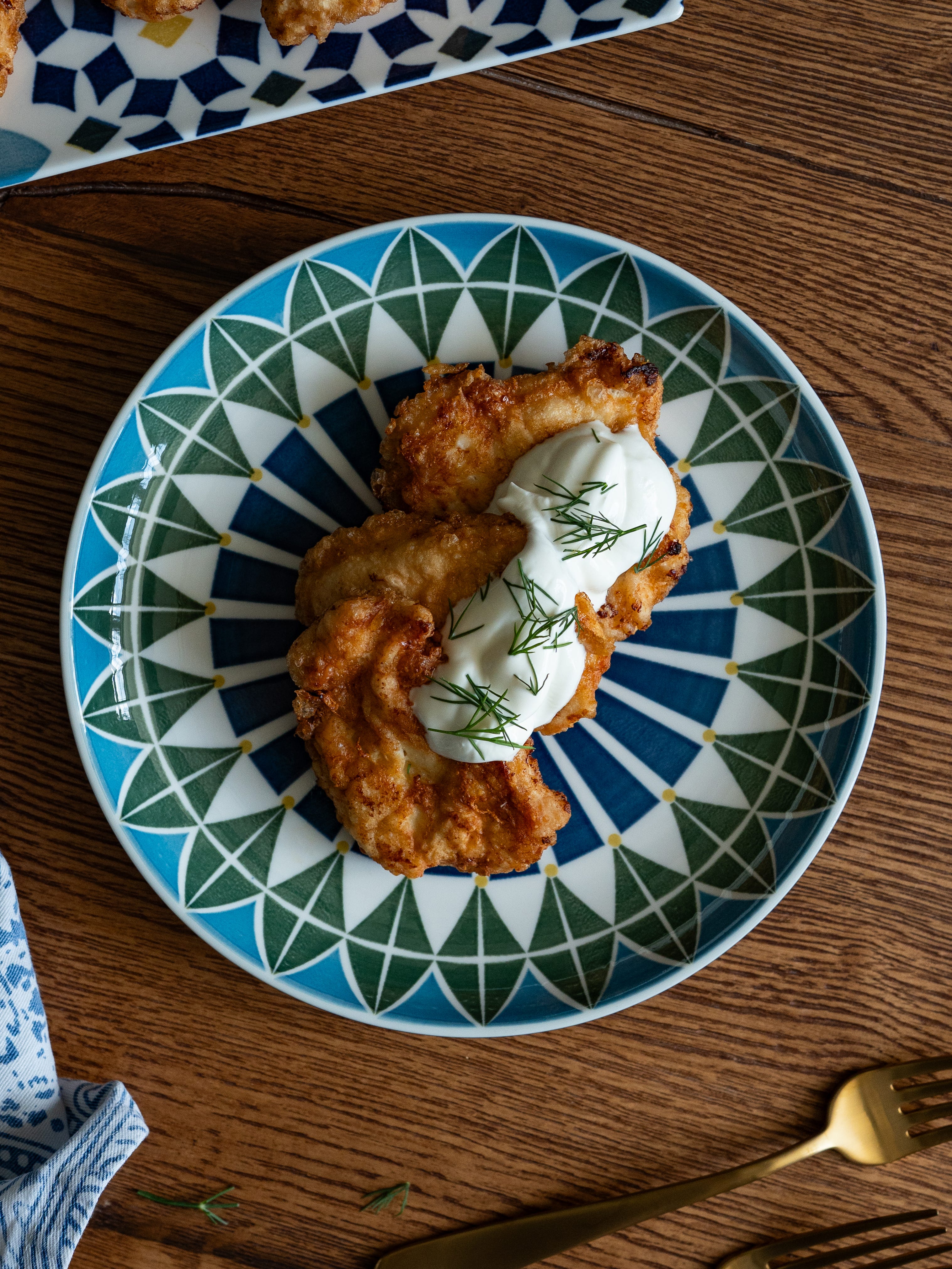
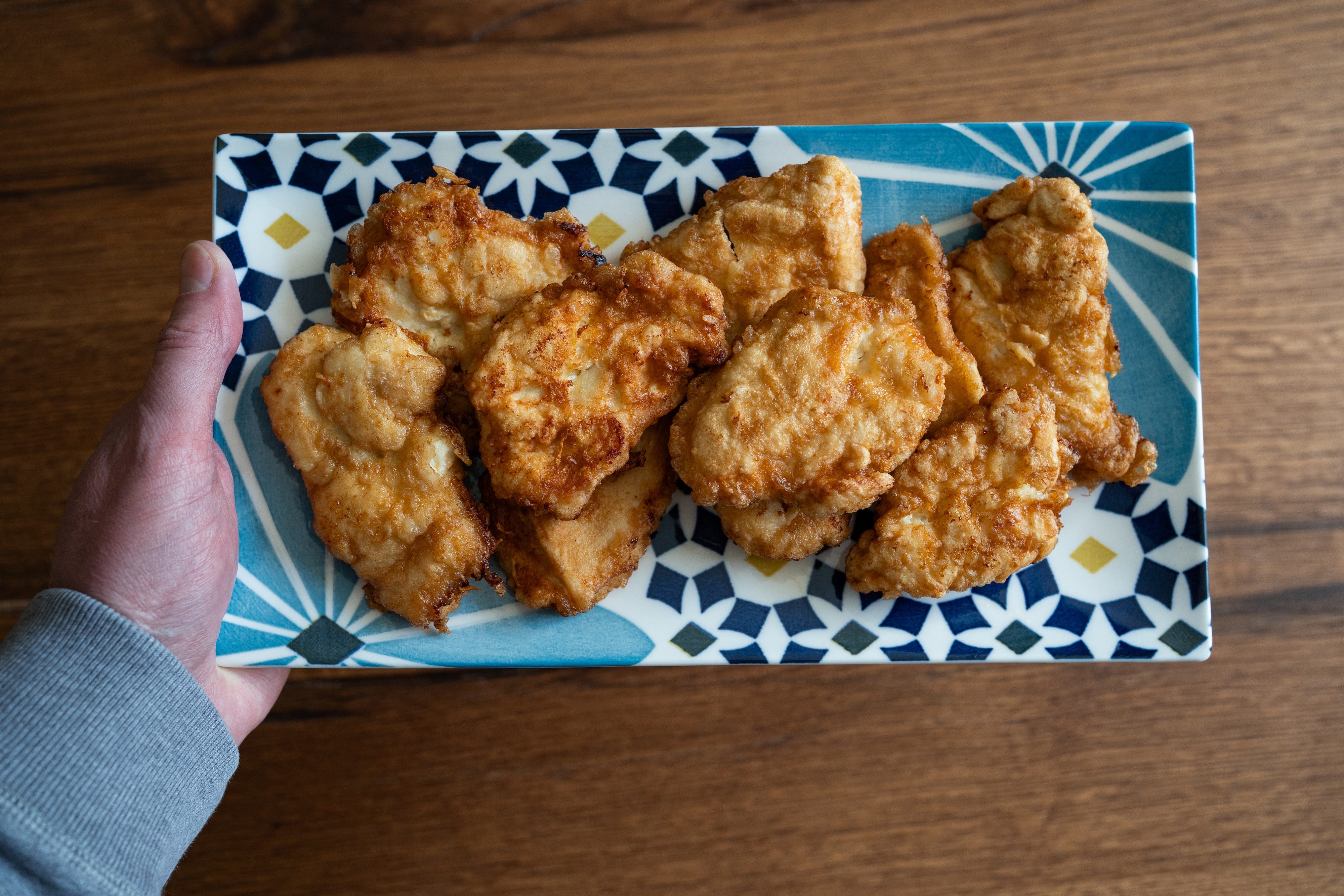
Bitochki are tender little Ukrainian cutlets, found on family tables right across Ukraine and Eastern Europe. Mine were chicken, though you’ll find them just as often with pork, beef or a mix of the two. For this recipe, you slice 2 chicken breast up into 8 pieces, batter them flat with a rolling pin so they’re the same thickness - then dredge in flour, dunk in egg and shallow fry until deeply golden.
I served them the traditional way, with a generous spoonful of sour cream and a good sprinkle of fresh dill.
This recipe came from Cuisines of Odesa by Maria Kalenska, the stunning book I shared earlier that celebrates the food and food culture of Ukraine’s southern port city.
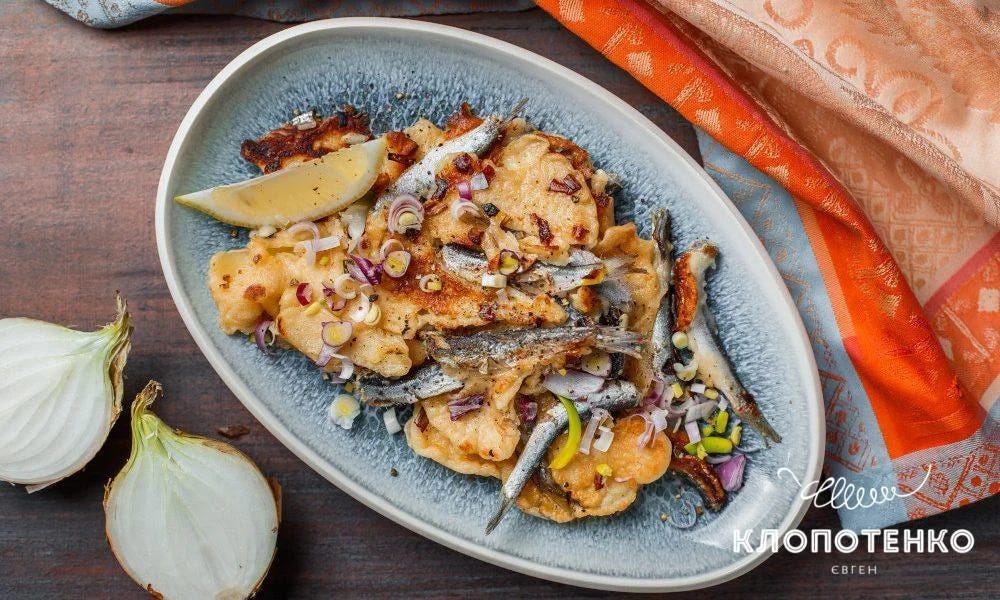
Speaking of Odesa… fish bitochki are considered a signature traditional dish of this region, reflecting its Black Sea culinary roots. Recipes typically use tyulka (sprats) or bychky (gobies) - and are often served with garlic sauce or marinated in tomato sauce
Bitochki are about as close to a Ukrainian national dish as it gets. Every household has its own version - and every Ukrainian it seems will tell you that their grandmother’s was the best.
The word bitochki actually comes from the Slavic root biti, which means to beat, strike or smash. Originally, they were made from prized cuts of meat that were tenderised by hand, a slightly grand dish for those who could afford the cut. Over time, as households needed to stretch what they had a little further, the meat got chopped, mixed with bread and shaped into the soft little patties.
A dish that began life on the tables of the well-off, eventually found its true home in family kitchens, all across the region!
In a country whose kitchens and pantries have had to weather wars, occupations and revolutions, recipes like this one have endured for a reason.

Dish 4: Pampushky
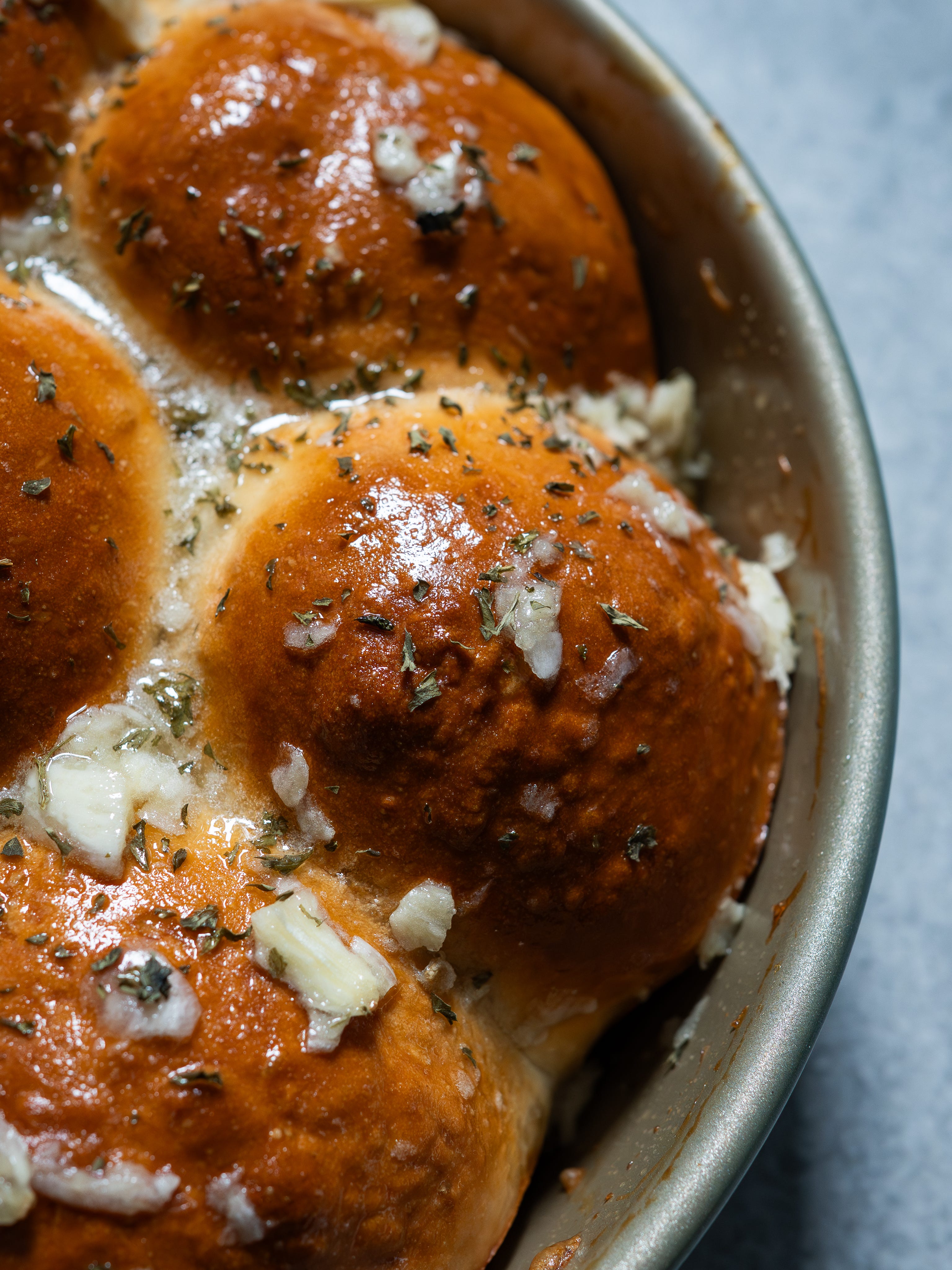
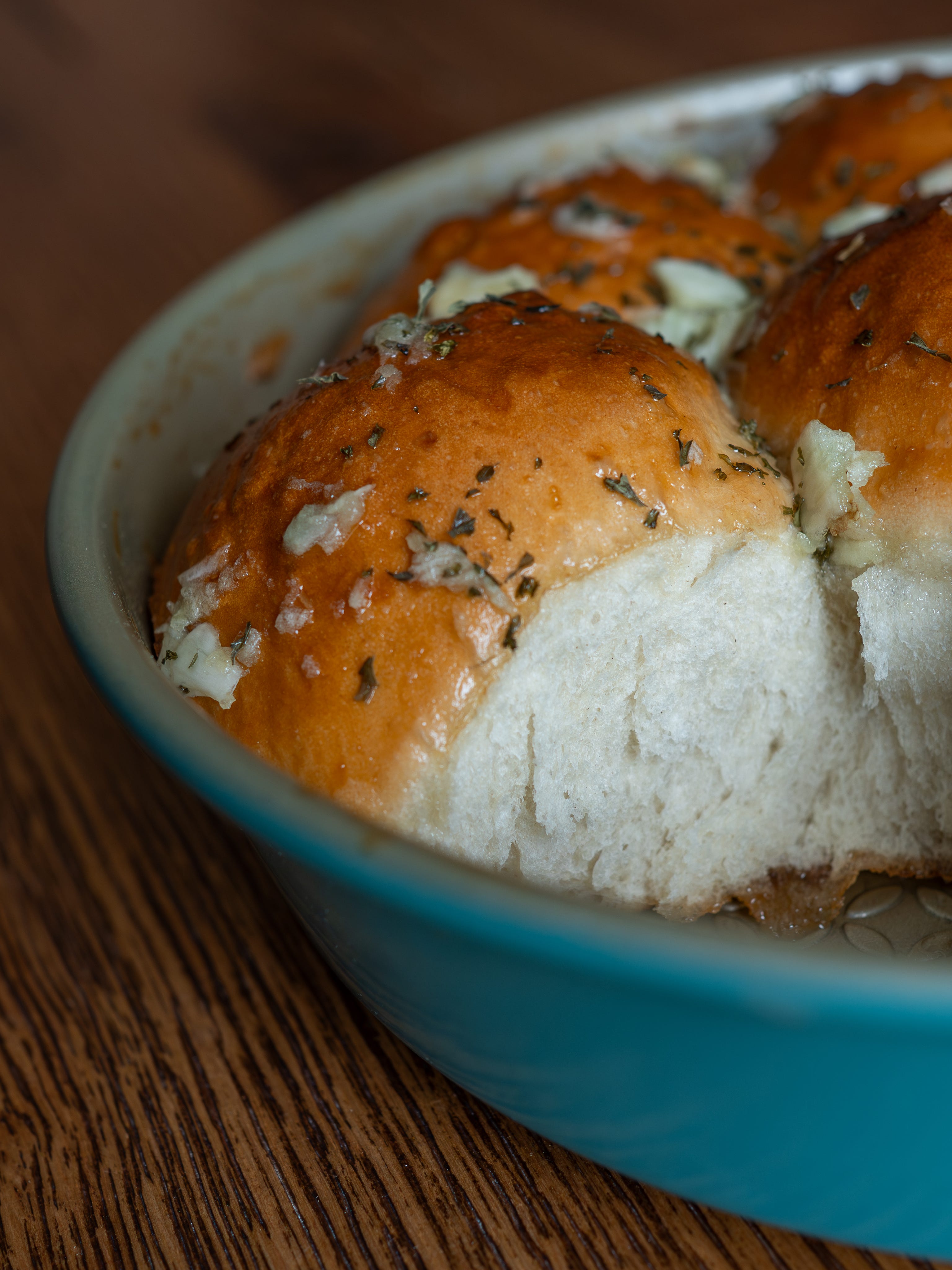
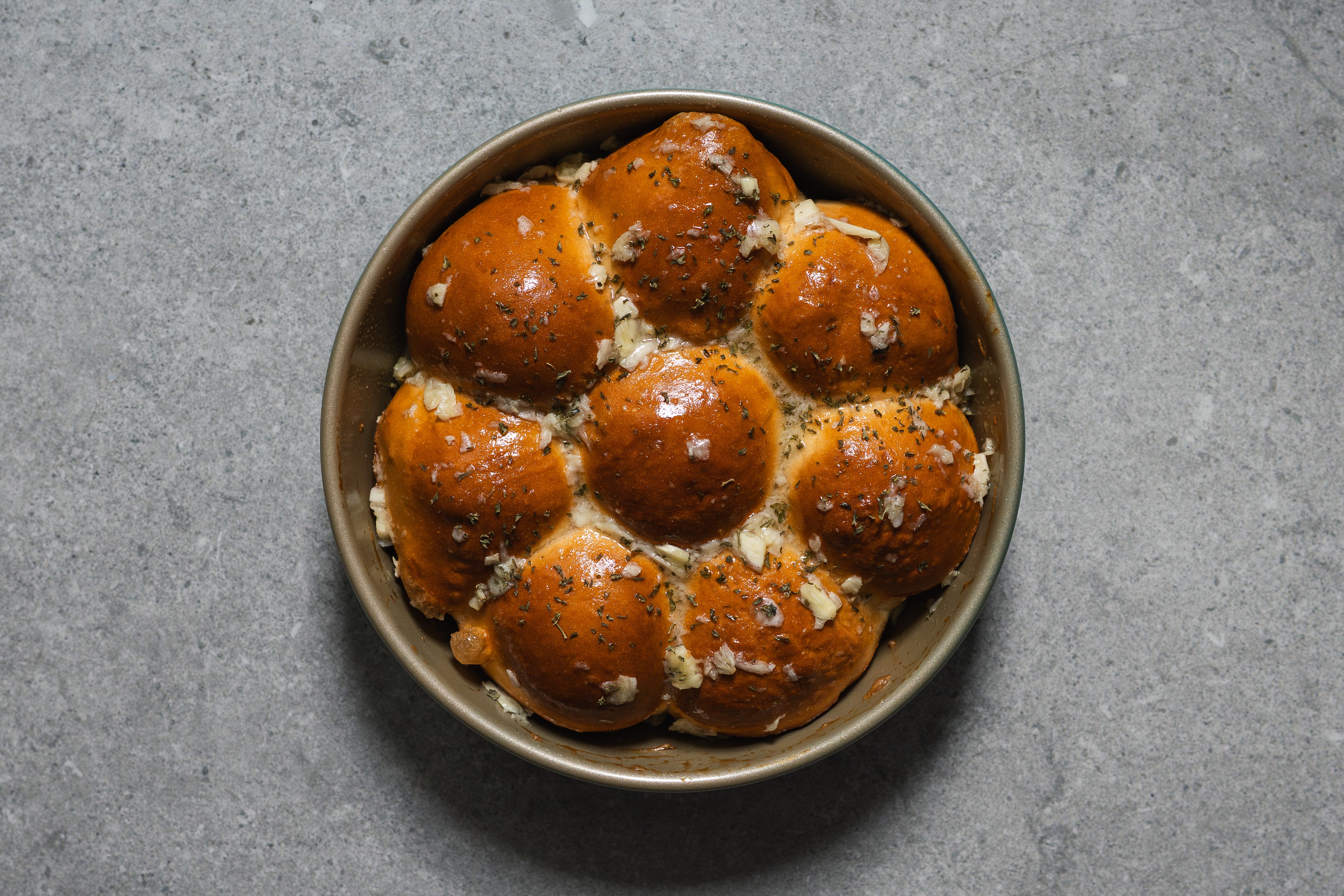
Last but absolutely not least, I have made pampushky. This was the dish I was most excited for since the moment I started planning this post!
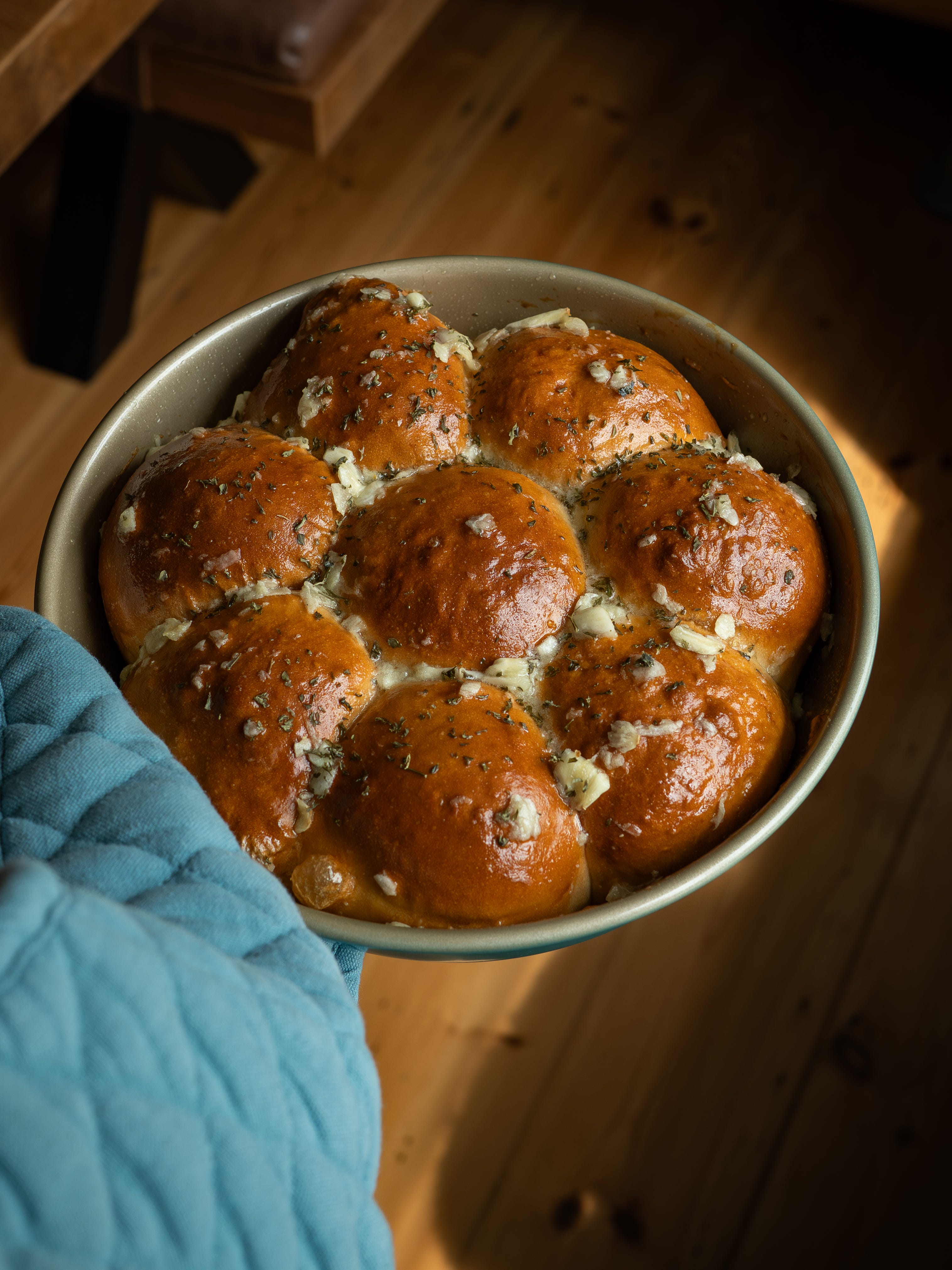
Pampushky are soft, pillowy little buns made using an enriched dough - then doused in delicious garlicky oil the moment they come out of the oven. They are undeniably Ukrainian (no other country lays claim to them!), and they smell PHENOMENAL.
You would usually enjoy them served alongside a steaming hot bowl of borshch and used to soak up the broth. But… I snuffled mine straight from the baking tin.
This was another recipe from the brilliant Olia Hercules, this one was featured in her book Mamushka: Recipes from Ukraine and Beyond.
Fun fact: pampushka is also the Ukrainian word for a gorgeous, plump woman. What a bloody brilliant word!
The word itself has actually been on quite a journey itself… pampushka is a diminutive of the older pampukh, which traces back via Polish pampuch to the German Pfannkuchen. Which literally means ‘pancake’. And it’s not just the word that travelled! According to a prominent food historian called William Pokhlyobkin, the actual baking and frying techniques arrived in Ukraine with German colonists who settled near the Black Sea in the second half of the 19th century. Ukrainians took those techniques and ran with them, naturalising the dough into something so completely their own that pampushky now belong nowhere else.
There’s a fantastic Ukrainian saying about all this that I came across, that goes: ‘If a woman cooks borshch for a man, it means she likes him. If she serves the borshch with garlic pampushky, she is in love.’ Which is rather bloody lovely, isn’t it!
Interestingly, there’s also a whole sweet side to the pampushky family - and they have their own name… the pampuchy. They are bigger and rounder than the garlic buns, these are filled with fresh fruit, berries, povydlo (which is like a thick fruit jam) or varenye (fruit preserves), then finished with a dusting with icing sugar. Pampuchy are traditionally served at Christmas.
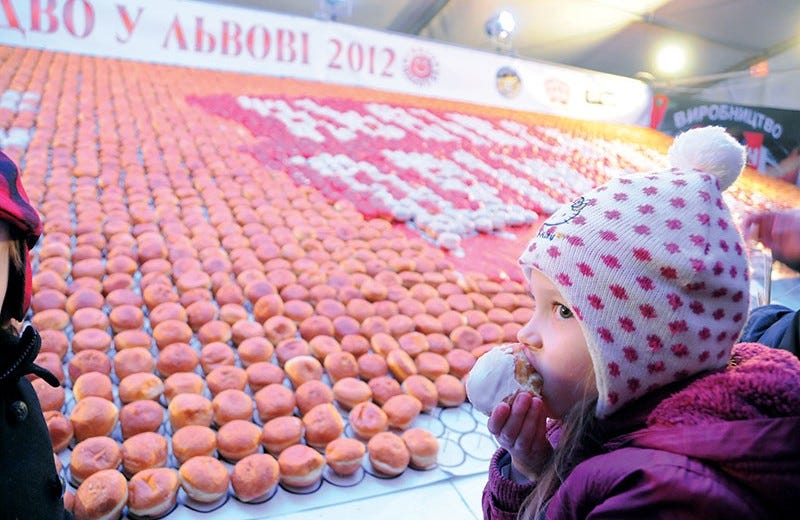
Speaking of which, the city of Lviv has hosted an annual Pampukh Festival during Orthodox Christmas since 2008. In 2012, festival-goers set a Guinness World Record by building the world’s largest mosaic made entirely of doughnuts. Honestly, what a sentence!
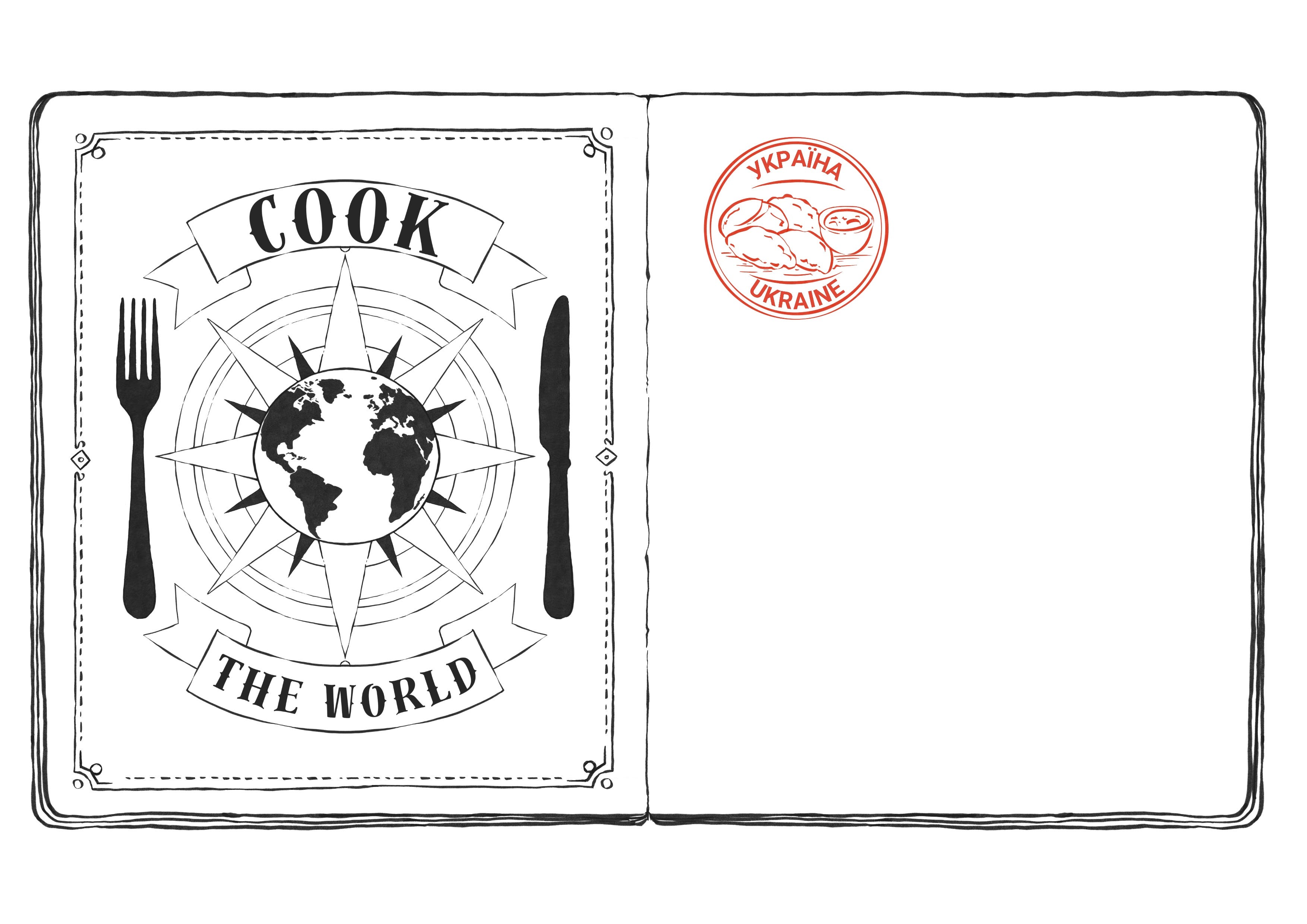
And just like that, our first Cook the World expedition draws to a close - and we can add the very first stamp to our passport!
Ukraine has been such a wonderful place to begin this series. A country that’s so much more than the headlines, with a food culture rooted in incredible produce, deep tradition and has absolutely blown me away with how delicious every dish is.
If you’ve cooked any of these recipes, or you’ve got Ukrainian dishes of your own that you love, I’d love to hear about them in the comments.
If you’re enjoying this new series, make sure to Subscribe!

Next Stop: Korea 🇰🇷
In May we’ll be swapping sunflower oil for sesame oil and dill for gochujang, as we make our way to Korea. I adore Korean food and I’ve picked up some fantastic books ready for our next leg of the journey!
If you’ve got any Korean recipes or suggestions of things you think I should make, drop them in the comments!
Thanks for reading.

If you’ve enjoyed today’s post and would like to support my page, you can help me keep creating, you can do so via the button below
I have been transcended! This was fantastic, Mark. Thank you for sharing, and looking forward to your next stop!!
Ooh that was fun Mark!